
What Does It Take To Become A Doctor Of Physical Therapy?
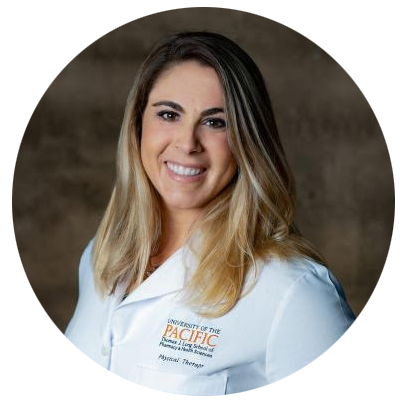
Danielle Sartori, PT, DPT, CSCS
Did you know that your physical therapist went through seven years of higher education to earn those letters after their name? Take Danielle Sartori, PT, DPT, CSCS as an example. Each one of those letters stands for a specific credential, and each credential represents a distinct level of specialized training and care. PT means she is a licensed physical therapist. DPT means she holds a doctoral degree in physical therapy. CSCS means she is a Certified Strength and Conditioning Specialist. Together, those letters tell you exactly who is treating you and what it took to get there.
PT: Becoming a Physical Therapist
Becoming a physical therapist starts long before graduate school. Students must earn a bachelor's degree and maintain a 3.0 or higher GPA in prerequisite science courses including biology, chemistry, physics, anatomy, physiology, exercise physiology, kinesiology, biomechanics, pharmacology, statistics, and psychology. Most programs also require clinical observation hours in both outpatient clinic and hospital settings, plus a strong Graduate Record Examination (GRE) score.
Getting accepted into a DPT program is competitive. Programs average about a 10:1 applicant-to-student placement ratio. Once accepted, students complete 29 to 36 months of graduate school, bringing their total higher education to roughly seven years.
The programs themselves are intense. The first stretch is packed with heavy classroom coursework and hands-on practical lab training. That is followed by 30 or more weeks of full-time clinical internship in real patient care settings.
DPT: Doctor of Physical Therapy
The DPT is the doctoral degree earned by completing an accredited Doctor of Physical Therapy program. It is not an honorary title and earning it is only the first step to becoming qualified to practice. Every graduate must also pass two exams before they can practice: the National Physical Therapy Exam (NPTE) and a state-specific licensure exam. Passing both proves clinical competence, earns the graduate their state license, and officially makes them a PT.
Post DPT Certifications
Some DPT graduates choose to further their studies by entering a clinical residency program of specialized study. These post-professional, accredited programs last 12 to 24 months and require 1,500 or more clinical hours, 150 or more hours of one-on-one mentoring, and additional classroom instruction. Residencies are structured around a chosen area of specialization and often prepare therapists for American Board of Physical Therapy Specialties (ABPTS) board certification.
Non-ABPTS Post DPT Certifications
Other graduates pursue additional certifications outside of the DPT program based on their area of interest and patient population. These non-ABPTS certifications are not required but reflect a therapist's commitment to specialized care. Examples include Certified Strength and Conditioning Specialist (CSCS), emergency responder, vestibular, pelvic floor, and manual therapy certifications. For Danielle, earning the CSCS deepened her expertise in the strength and conditioning requirements that help patients achieve optimal athletic performance and return-to-sport outcomes.
Continuing Education: Learning Never Stops
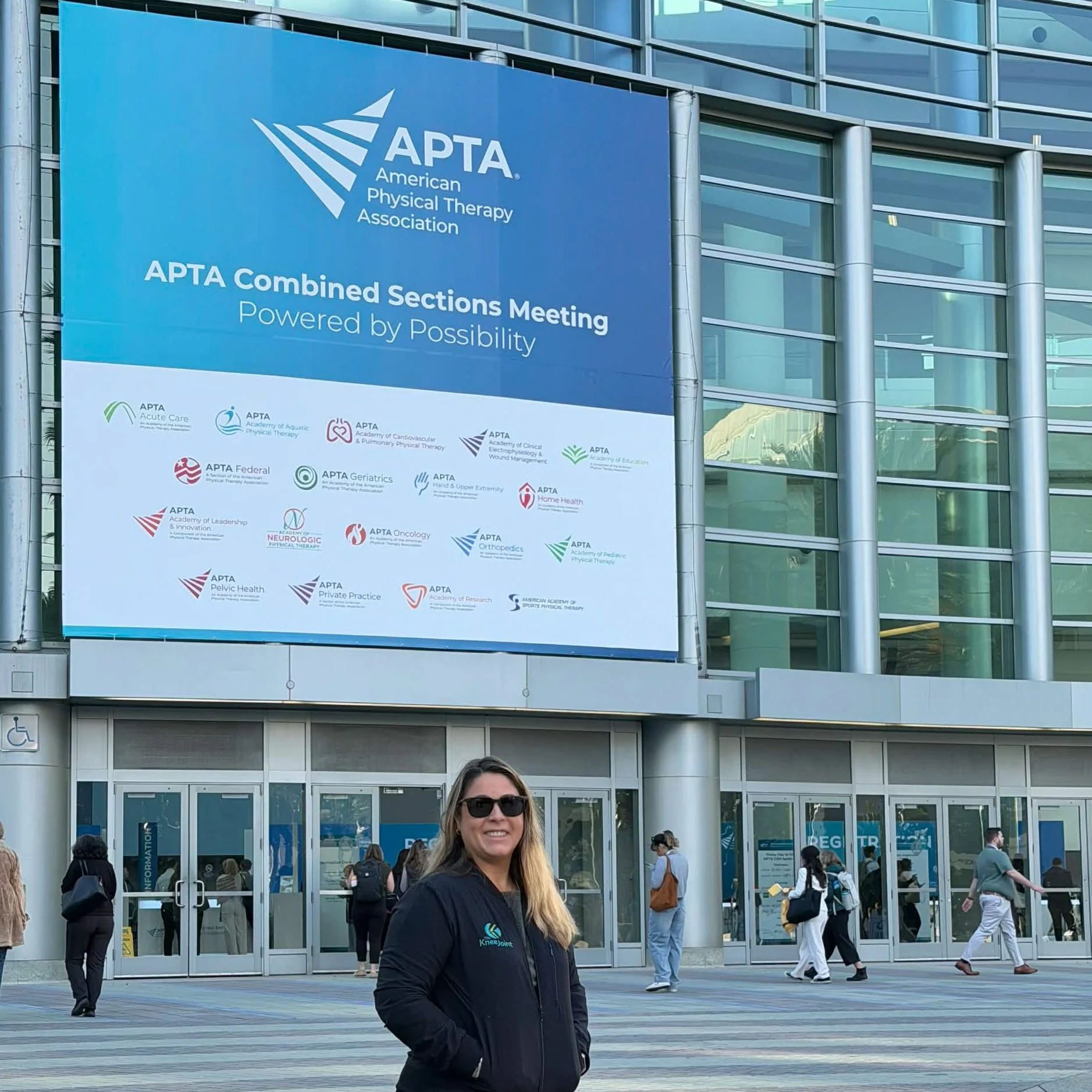
A physical therapist’s education continues even after licensing examinations are passed. Every state sets its own continuing education requirements to keep licensed therapists current. In California, physical therapists must complete 30 hours or 3.0 Continuing Education Units (CEUs) of continuing education every two years, which must include two hours of state ethics and laws and four hours of Basic Life Support (CPR and first aid).
Danielle at Work: Putting It All Together
All of those credentials don't just look good on paper. They drive how Danielle approaches her own continuing education and the care she delivers every day. A great example is her recent attendance at the Combined Sections Meeting (CSM), a major national physical therapy conference held in Anaheim, CA.
At CSM, Danielle updated her knowledge on current surgical procedures and protocols, clinical practice guidelines and prediction patterns, and new treatment modalities. She also connected with physical therapists from across the country, including alumni from her program at the University of the Pacific. Conferences like CSM are where the latest research meets real-world clinical practice.
Knowing her patient population, Danielle was intentional about which courses she chose. She focused on topics including a multi-system approach to tendinitis, restoring quad strength post-ACL reconstruction, building a comprehensive return to performance plan, hormonal cycle considerations for female athletic performance, and the musculoskeletal syndrome of menopause. These topics directly reflect the needs of the patients she works with every day.
The focus on patient care continues in the field after CSM. In April, Danielle will attend the Livelong Women's Health Summit in San Francisco. The summit will cover the latest practical interventions for living longer and healthier lives, and it is exactly the kind of event that will continue to keep Danielle Sartori PT, DPT, CSCS at the forefront of her field.