
What is IT Band Syndrome and How Can We Fix It?
Have you been noticing pain on the outside of your knee, hip, or thigh without a known injury? If your answer is Yes, then you may be experiencing symptoms of Iliotibial Band Syndrome. Iliotibial Band Syndrome (IT Band Syndrome) presents as pain along the outside of the thigh from the hip to the knee, causing friction and irritation.
Normally, the IT Band is flexible and glides smoothly, allowing you to move without pain. When it becomes too tight, that friction increases and irritation builds up. There are several reasons why the IT band can become tight and weak, but it is most commonly caused by repetitive motion and overuse.
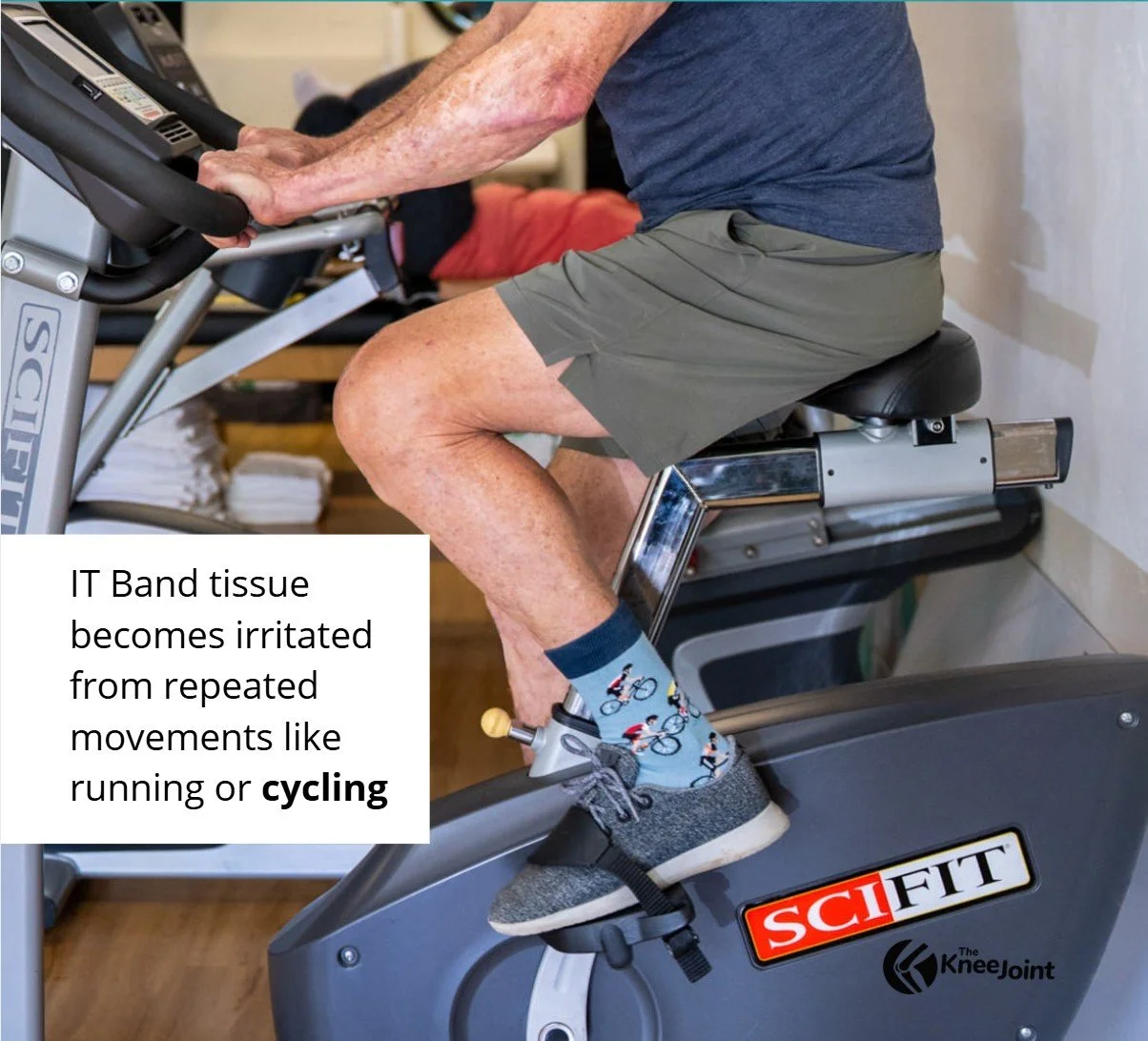
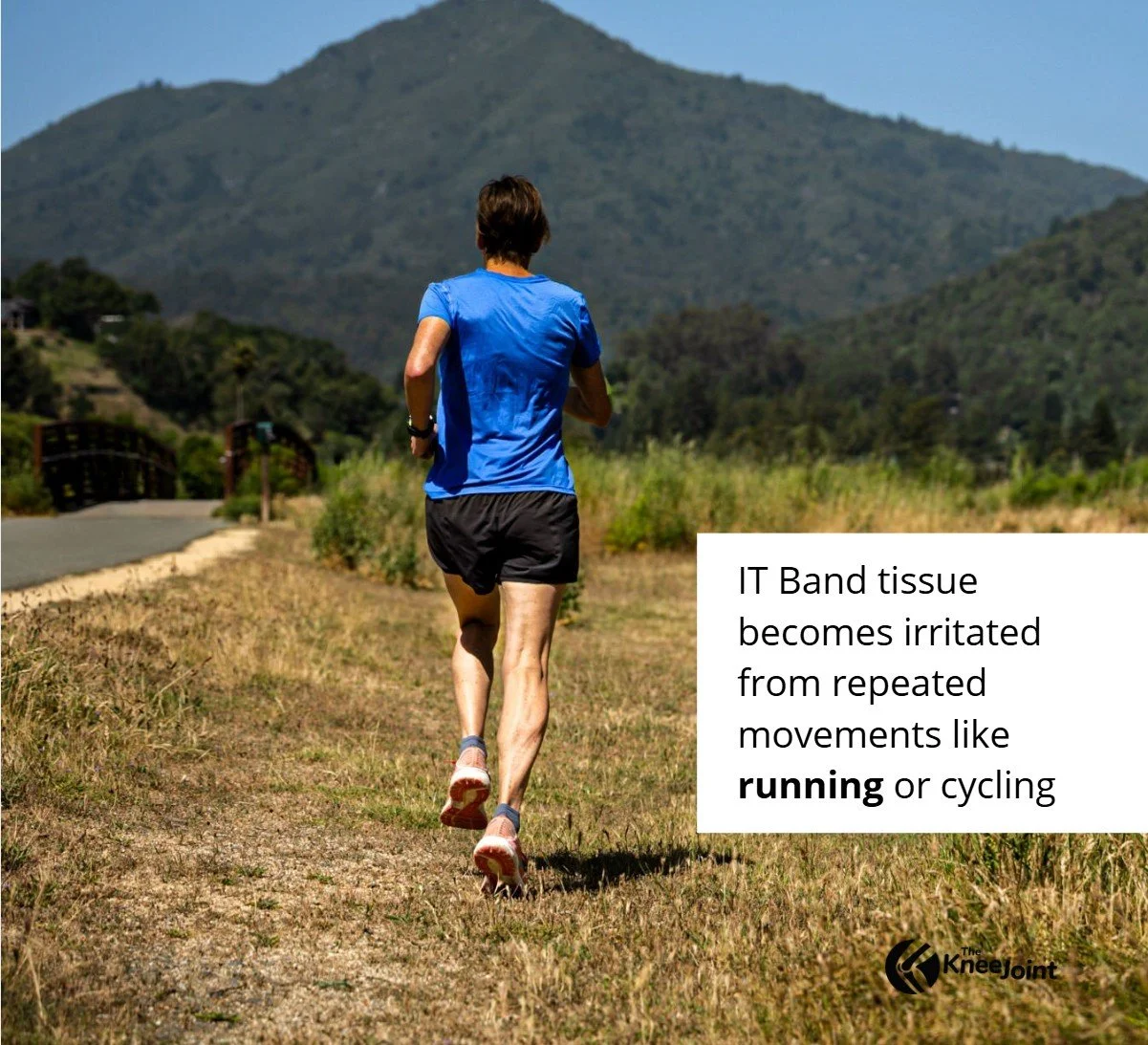
With repeated bending and straightening movements of the knee, the IT Band may cause friction and irritate surrounding tissues, causing pain. It is most common for people who often perform repetitive motion, especially distance runners, cyclists, or new recreational athletes.
Your physical therapist will be able to identify whether your pain is a result of IT Band Syndrome or another problem based on your symptoms, as well as a physical examination assessing your strength, flexibility, gait pattern, and quality of movement.
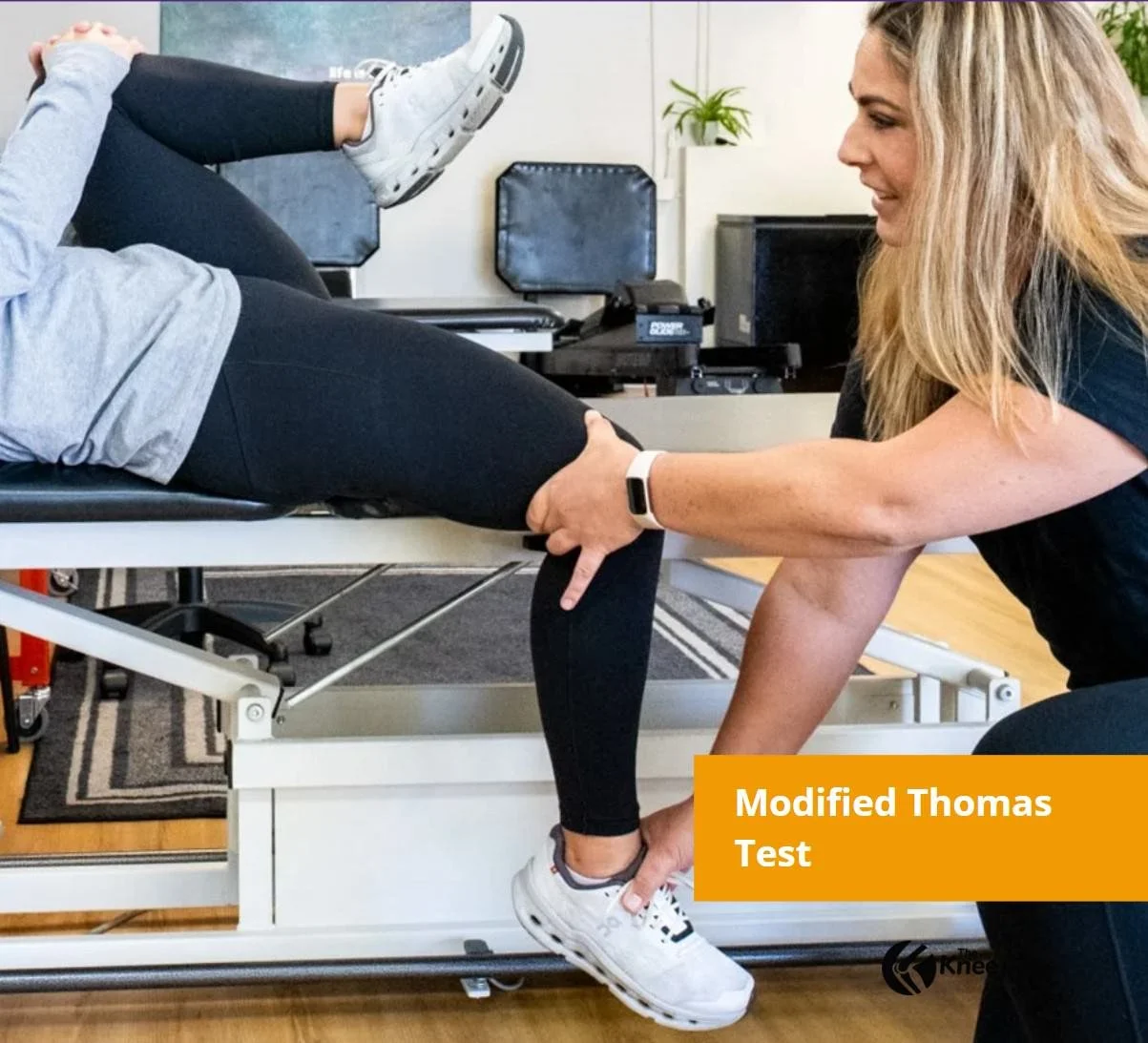
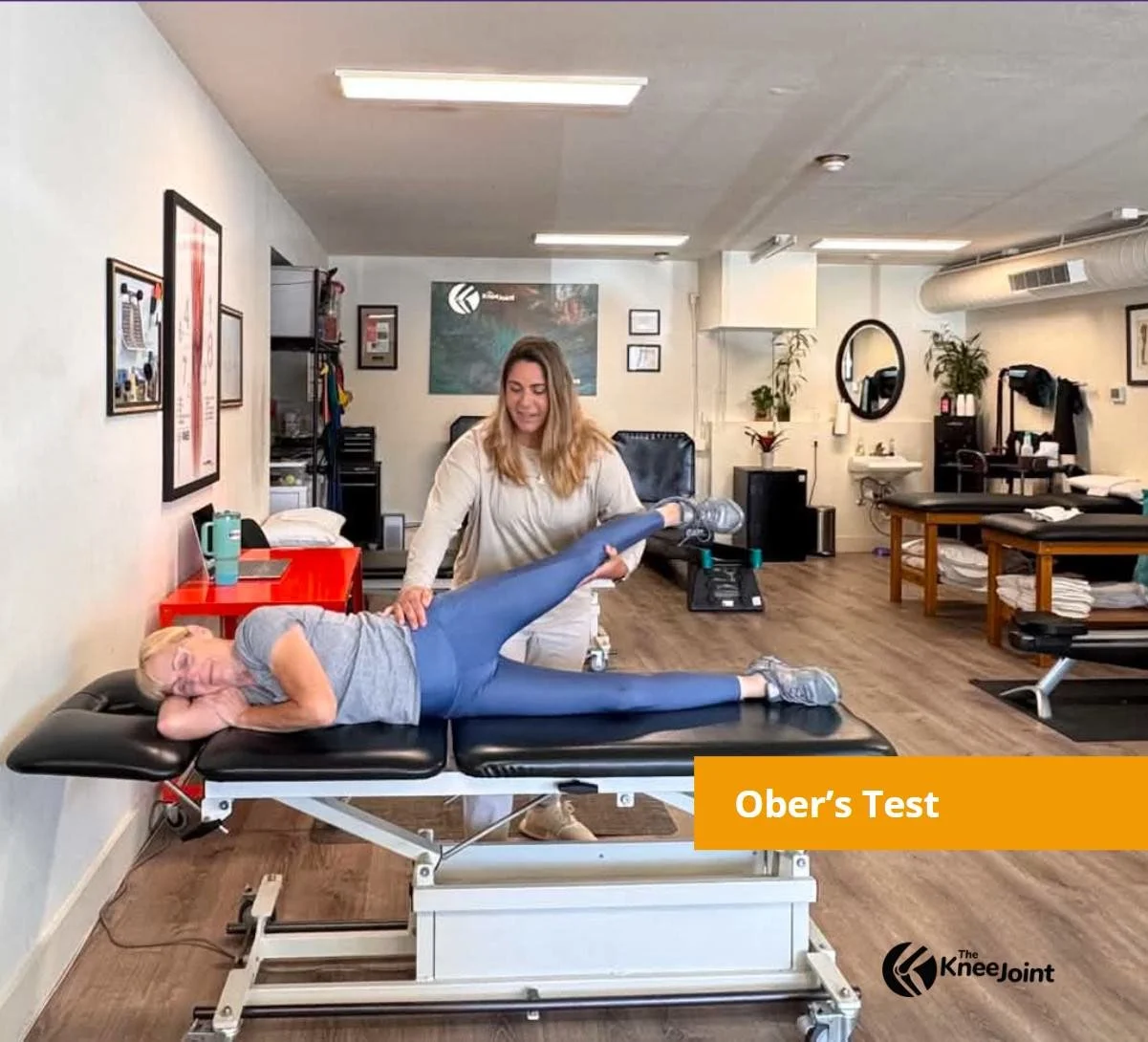

Once your concerns are identified as IT Band Syndrome, you and your physical therapist will design a customized plan of care to address your imbalances and movement dysfunction.
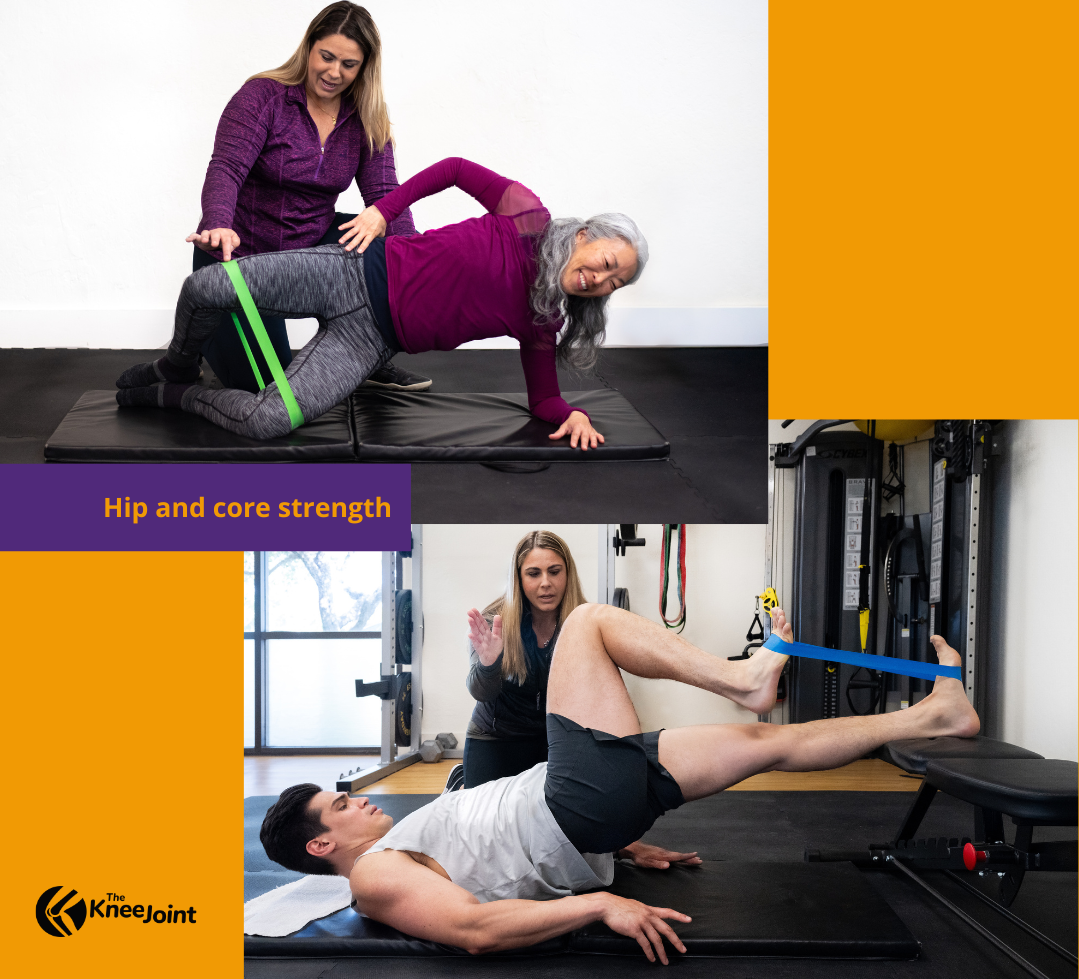
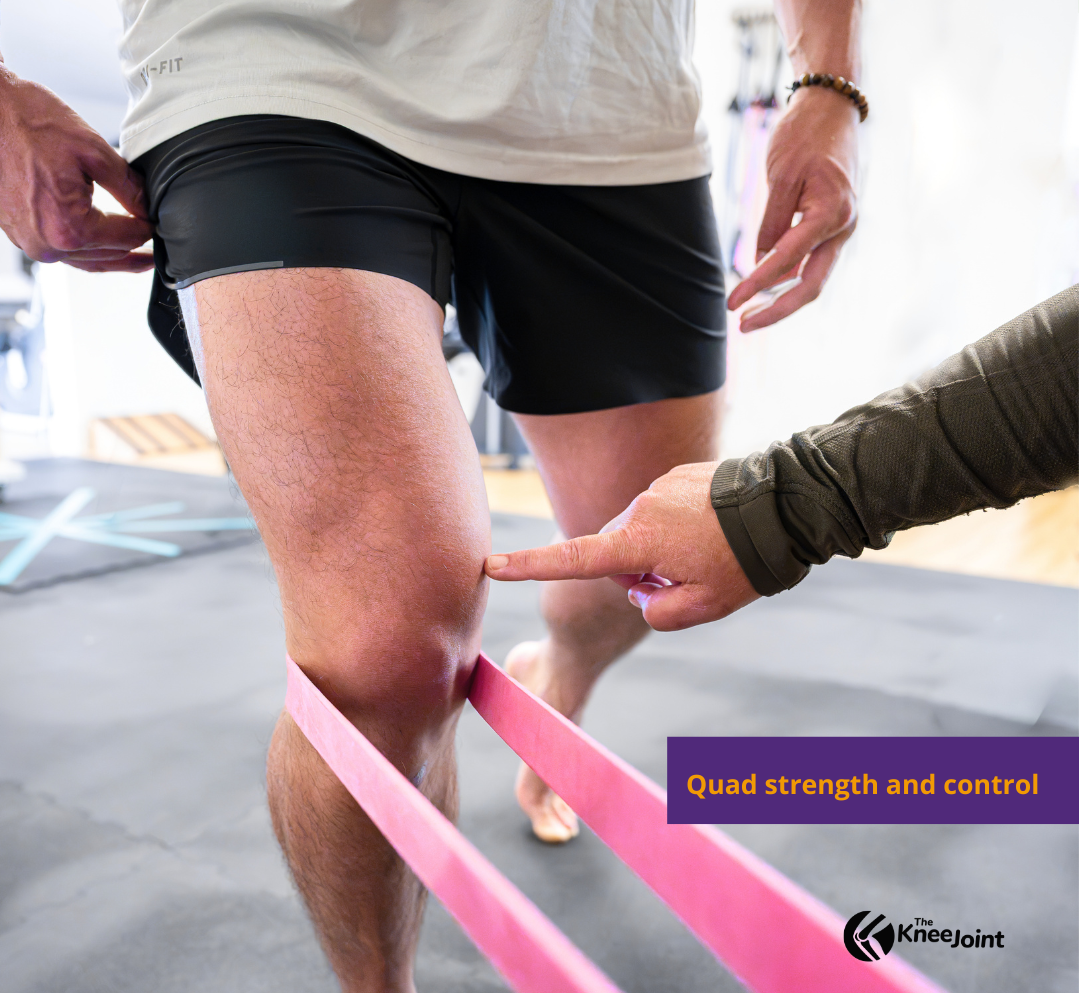
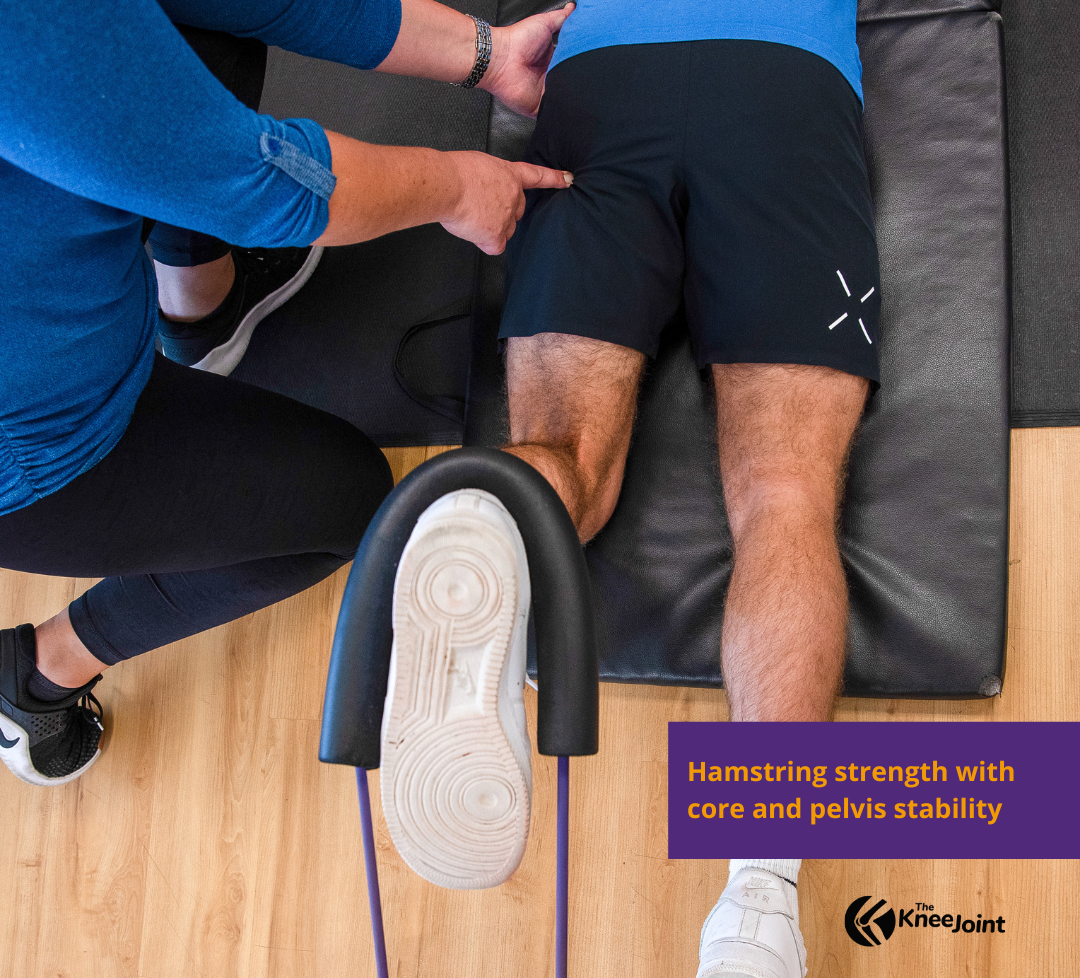
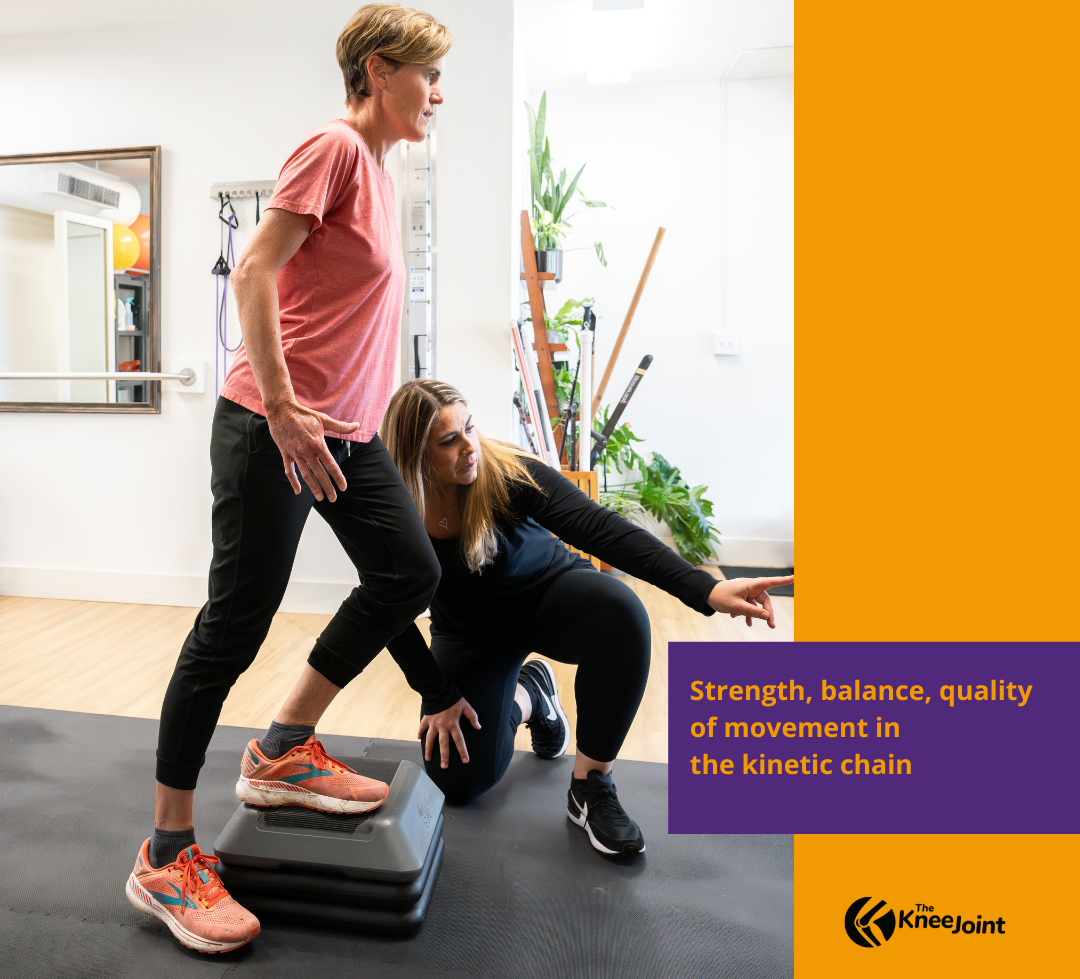
Ready to find out what’s going on? Below are tips to help you get the most out of your 1 Hour Evaluation at The Knee Joint:
Think back to when your symptoms first started.
Sample info: date of injury, aggravating and alleviating factors for pain, when during the 24 hour time span does your pain tend to be at its worst?
Write down all questions you want answered about your activities, alternative treatments and bring them along with you to ask your therapist. Here are some sample questions to ask:
How many PT sessions will I need before I start to see results?
What if I skip a day, do I do twice as many exercises the next day or start fresh the following day?
Do I ice it or apply heat after before and/or activity?
How much activity is too much activity during PT and recovery?
Come ready to collaborate and create a plan of care with your physical therapist. This will initiate an open line of communication. We’ll show you how to use our app to stay in touch, discuss progress and ask questions when needed.
Finally, if you’re in pain please know that you don’t have to suffer. We can help. We hope to see you at The Knee Joint so you can start your journey to recovery from pain today.
P.S. Check out more information about IT Band Syndrome on our new conditions page!